Türkiye’s mining exports top $5.4 billion in nine months
According to İMİB data, mining exports rose 20% in the first nine months of 2026. What do industrial minerals and the main markets tell us?


Current articles on magnesite, production, refractories, markets and regulation.
Latest article
According to İMİB data, mining exports rose 20% in the first nine months of 2026. What do industrial minerals and the main markets tell us?
In force since 27 August 2026, the regulation brings permit, monitoring and allowance obligations to installations emitting over 50,000 tonnes of CO₂ equivalent a year.
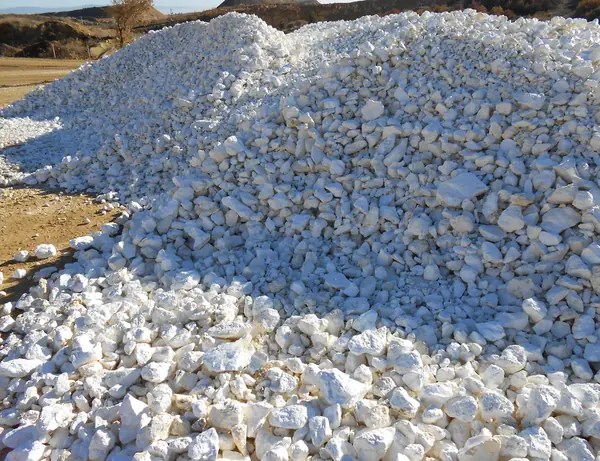
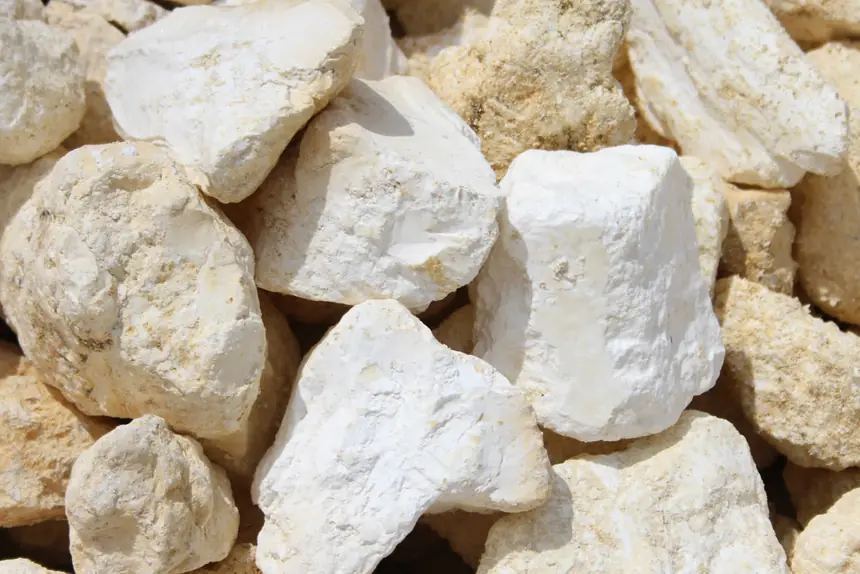
This white mineral, MgCO₃, is the basic raw material of the refractory industry. We explain its properties and how and where it forms.
Consolidation in China, the rise of electric arc furnaces, carbon rules, recycling and sensor-based sorting: a summary of the industry’s agenda.
The same raw magnesite gives two very different products depending on firing temperature. Here is where each is used.
The EU’s Carbon Border Adjustment Mechanism entered its definitive period on 1 January 2026. Here is the timeline, the thresholds and what it means for the supply chain.
According to the US Geological Survey, 21 million tonnes of magnesite were mined worldwide in 2025. Türkiye follows China, Brazil and Russia with 1.6 million tonnes.
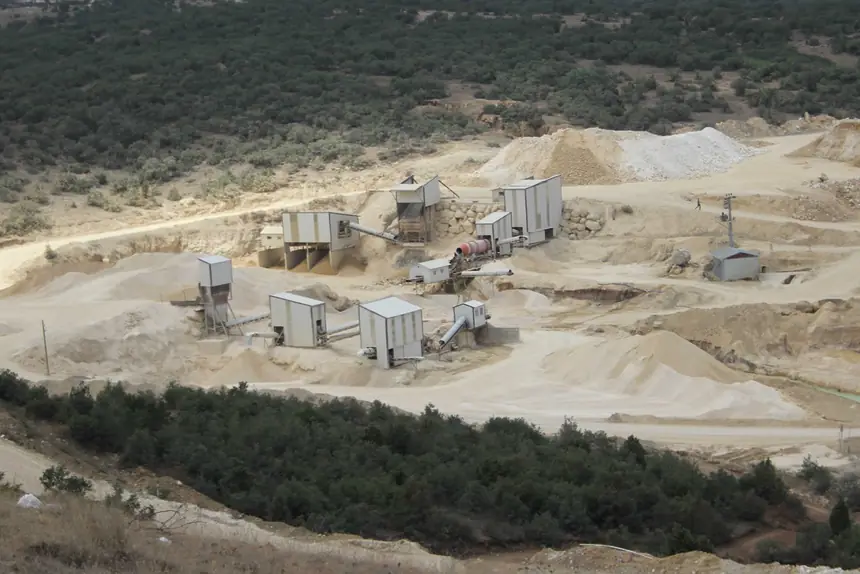
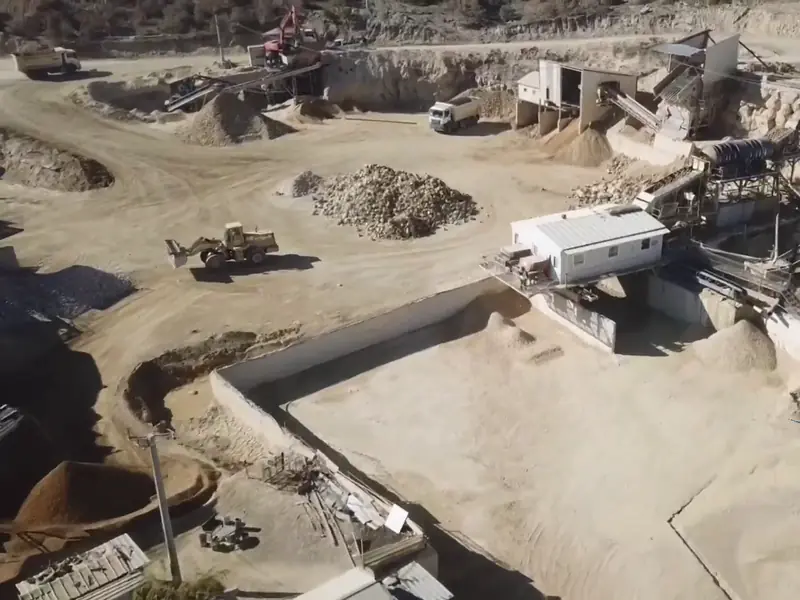
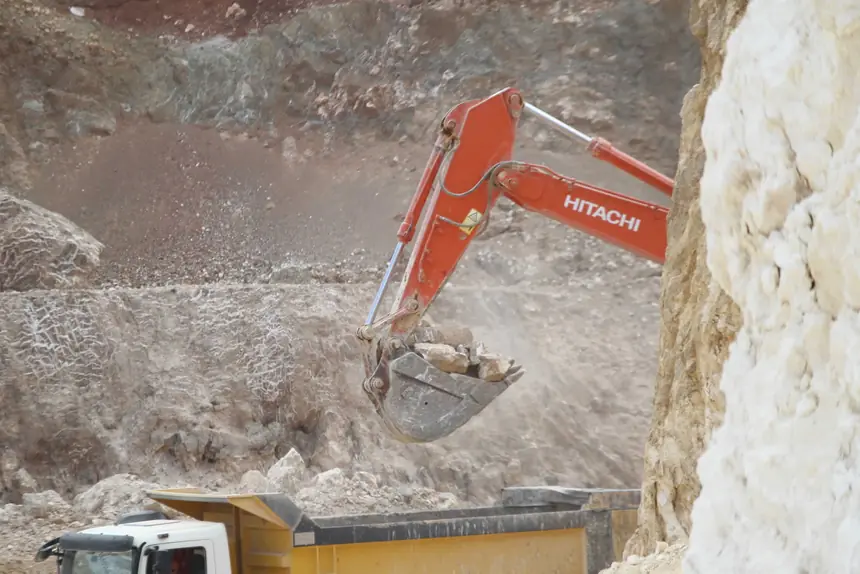
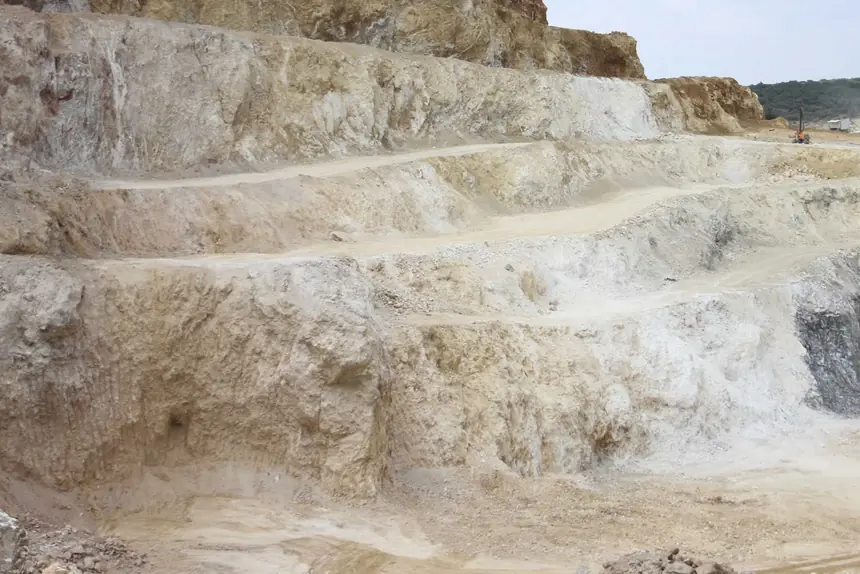
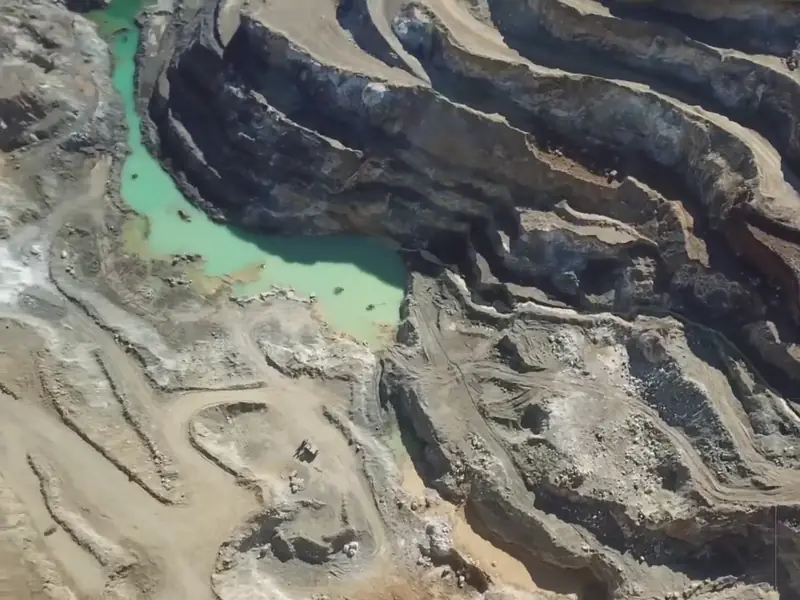
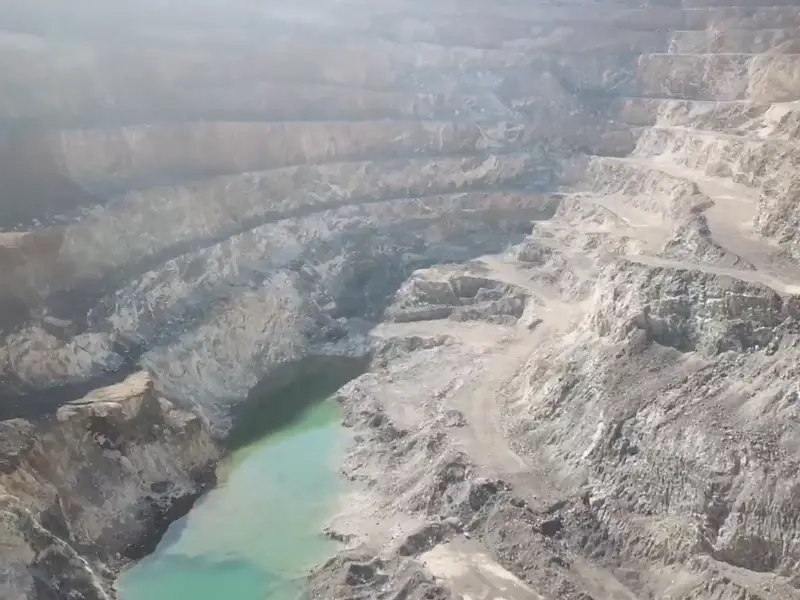
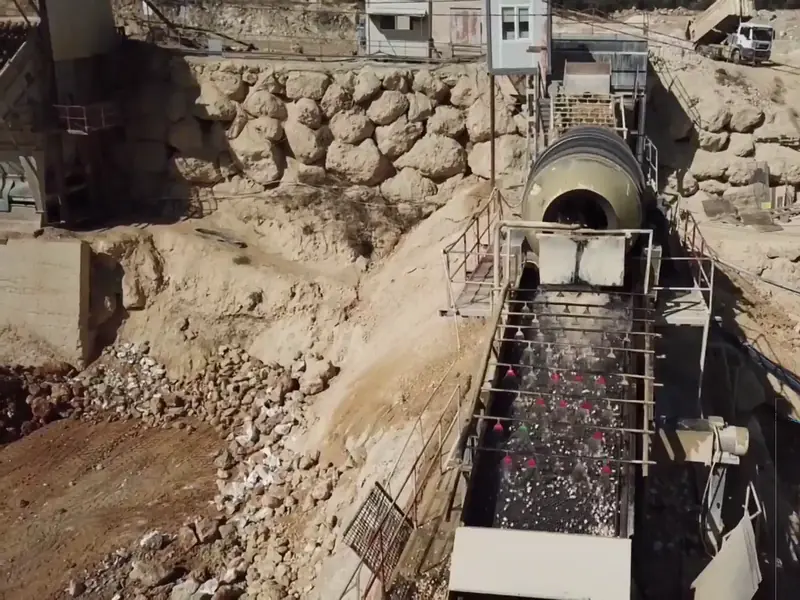
From the open pit to shipment: the six stages magnesite goes through at our Ballık site.
Türkiye produced 38.1 million tonnes of crude steel in 2025, 27.5 million of it in electric arc furnaces. How does this shift affect refractory needs?
A large share of the heat-resistant materials lining steel, cement and glass furnaces is made from magnesite. Here is why.
Much of the CO₂ released when magnesite is fired comes not from the fuel but from the mineral itself. Here is the calculation and the ways to reduce it.
What each line on a magnesite analysis report means, and how to compare raw and calcined values.
Spent magnesia bricks can be sorted, cleaned and used again as raw material. In some products, recycled content has reached 50%.
All three are white, all three are carbonates. Practical ways to tell them apart in the field and in the lab.
At a magnesite deposit in Australia, X-ray transmission sorters outperformed older methods in handling high-calcium ore.
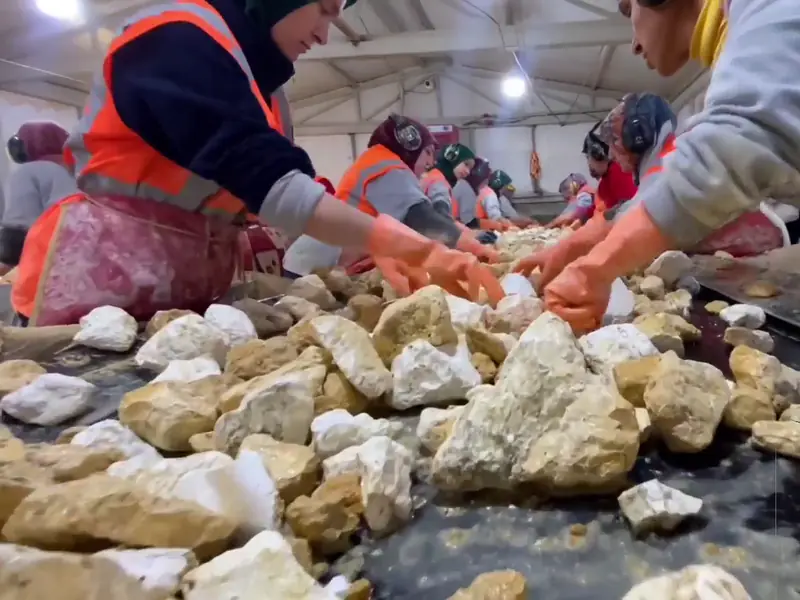
White magnesite is magnesite with few impurities. What our teams look for on the picking belt.
In force since 2026, the regulation on the rehabilitation of mine sites makes rehabilitation an obligation from the start of mining.
Magnesium is an essential nutrient for plants and animals. The role of caustic calcined magnesite in agriculture.
In force since 23 May 2024, the Act sets 2030 targets for extraction, processing and recycling. Magnesium is one of the EU’s 34 critical raw materials.
Unlike Portland cement, magnesia cement sets with a magnesium chloride solution. Its properties and uses.
About 86% of the world’s primary magnesium metal is produced in China. Here is where the metal is used and how it relates to magnesite.
From analysis to grain size, from samples to shipping: the topics to discuss with your raw magnesite supplier.
The three letters in a quotation decide where risk and costs change hands. Here are the Incoterms rules most used for bulk cargo.
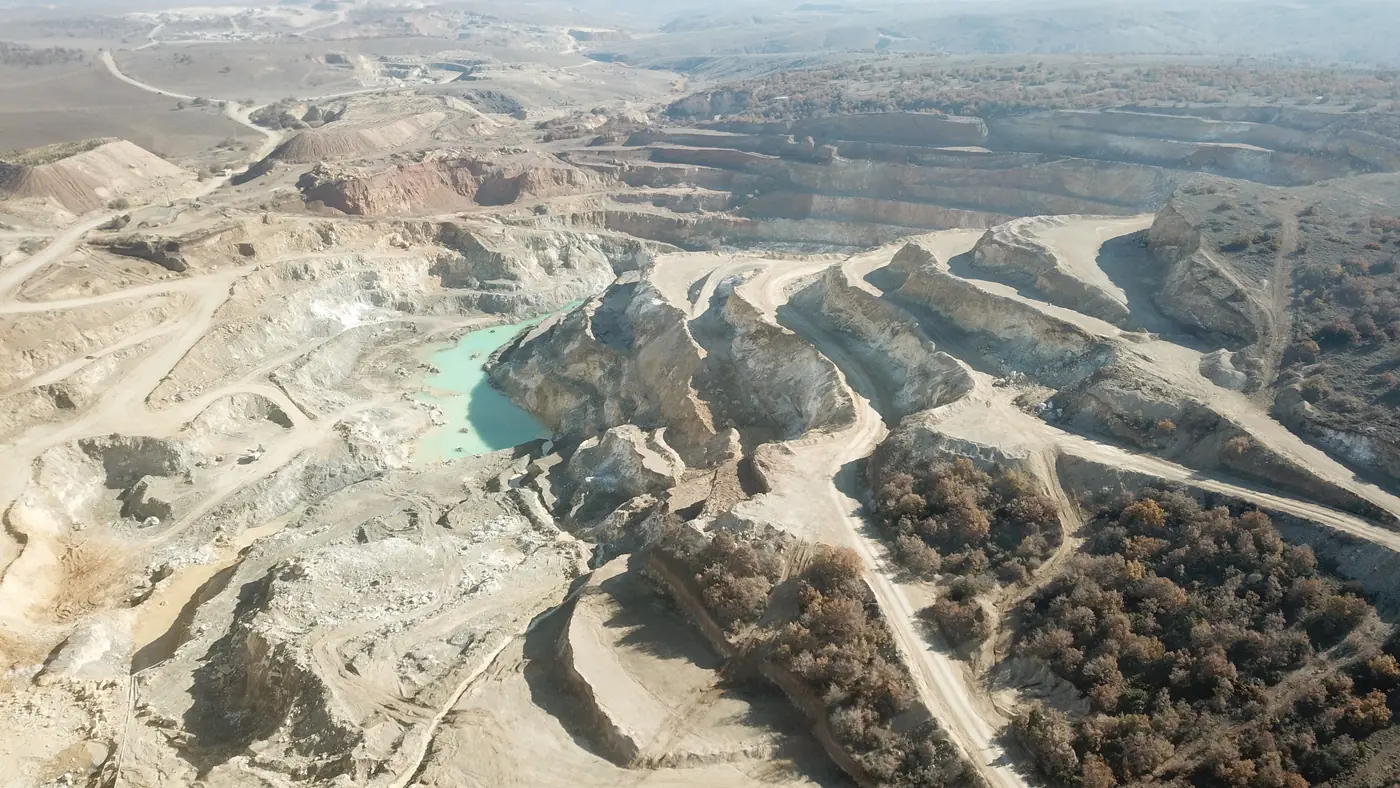
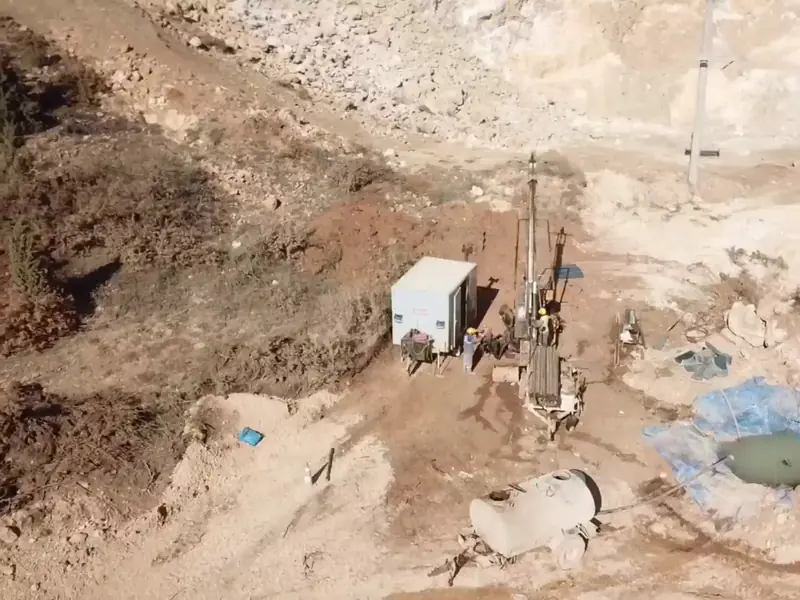
3D models built from aerial photos make it possible to measure stockpiles, benches and slopes quickly and safely.
In neutralising acidic wastewater, magnesium hydroxide stands out because it does not push pH too high and is safe to handle.
Our team will get back to you about products, shipping and partnerships.