
According to KPMG’s Steel Sector Outlook 2026, Türkiye raised crude steel output by 3.3% to 38.1 million tonnes in 2025, ranking seventh in the world and first in Europe. Electric arc furnace (EAF) output rose from 25.8 to 27.5 million tonnes, while basic oxygen furnace output fell from 11.1 to 10.6 million tonnes. That means about 72% of production came from electric arc furnaces.
Why are EAFs gaining ground?
Scrap-based electric arc furnace steel has markedly lower direct emissions per tonne than the blast furnace and basic oxygen furnace route. As CBAM and emissions trading systems put a price on that difference, the EAF advantage becomes more visible.
What changes on the refractory side?
The most heavily worn zones of an electric arc furnace, the slag line and hot spots, are lined with magnesia-carbon bricks. Magnesia-based gunning and ramming mixes are used for the hearth and for repairs between heats. In the ladles that receive the steel, the slag line is also made of magnesia-carbon bricks.
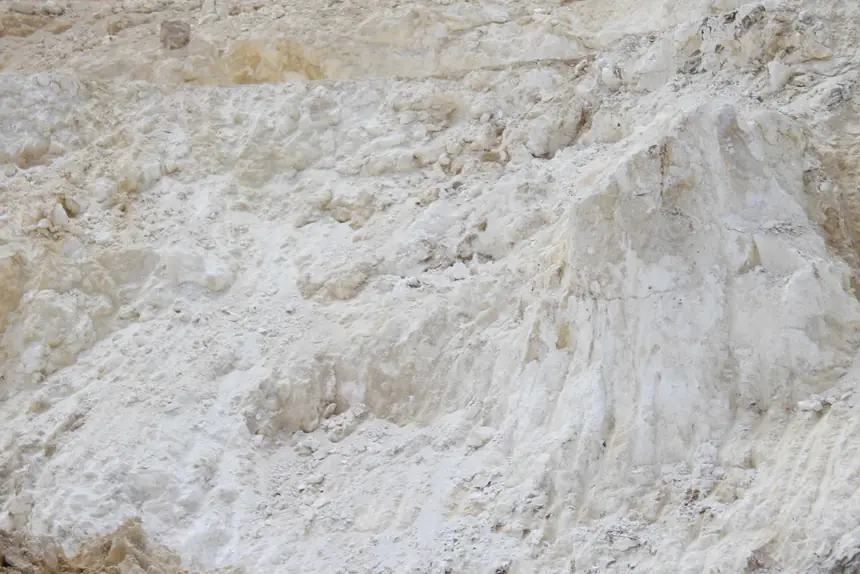
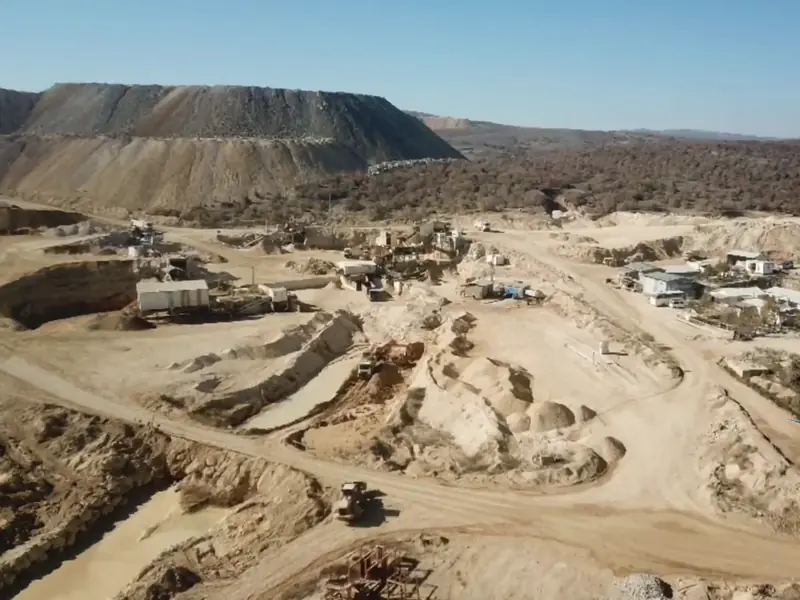
As the share of electric arc furnaces grows, so does the need for high-quality sintered and fused magnesia, and therefore for clean, consistent raw magnesite. We explain why refractories are made from magnesite in our article “What is a refractory?”.
Source: KPMG, Steel Sector Outlook 2026.