Following the Climate Law, the regulation setting out the rules of Türkiye’s Emissions Trading System (ETS) entered into force on 27 August 2026. The system brings greenhouse gas emission permits and allowance obligations to large industrial emitters, and is seen as Türkiye’s counterpart to the EU emissions trading system in place since 2005.
Who is covered?
The regulation covers Category B and C installations with annual emissions above 50,000 tonnes of CO₂ equivalent. The system starts with a pilot period whose scope, duration and rules will be set by the Carbon Market Board. Installations in the pilot must submit their first monitoring methodology plans within two months of entry into force.
Main obligations
- Obtaining a greenhouse gas emission permit from the Climate Change Presidency. Permits are valid for five years; renewal must be applied for at least six months before expiry.
- Submitting a verified annual emissions report.
- Surrendering allowances equal to verified emissions by the last business day of November of the following year.
- Some allowances are allocated free based on production level and emission intensity; the rest are auctioned on the primary market, operated by EPİAŞ.
Operators have three years from the Climate Law’s entry into force to obtain permits; the Carbon Market Board can extend this by up to two years.
What it means for magnesite and calcination
The carbon dioxide released when magnesite is fired is a process emission that does not depend on the fuel (see our article on the carbon footprint of magnesite). In the EU emissions trading system, calcination of magnesite in kilns with a capacity above 50 tonnes per day is directly covered. In Türkiye, calcining and sintering plants may also fall within the system depending on their emissions.
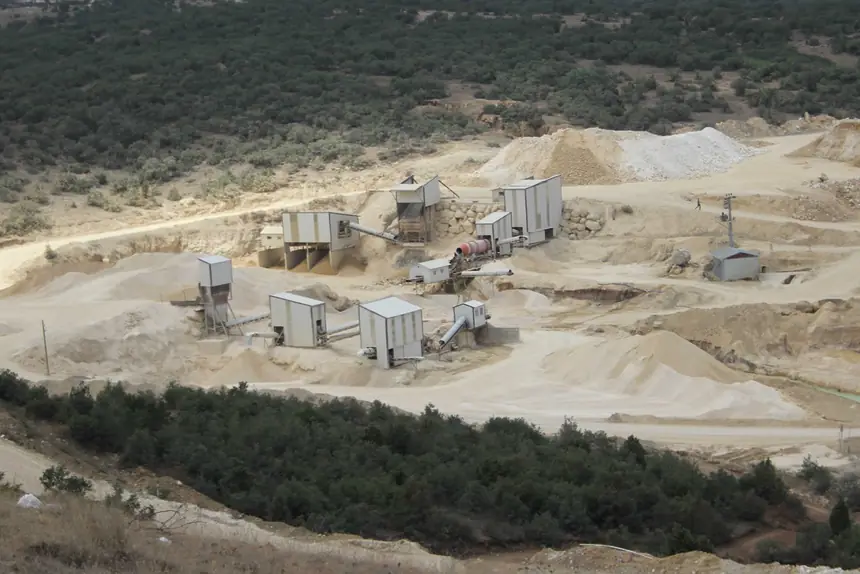
Open-pit mining and raw magnesite preparation (crushing, screening, washing and sorting) are relatively low-emission activities. Even so, supply chain data is becoming more important for customers’ carbon reporting.
Source: press coverage of the Türkiye ETS regulation (August 2026). The official legal text prevails in practice.