
Magnesite is tied to steel, cement and glass production through the refractory industry, so changes in those sectors directly affect the magnesite market. Here are five developments that stand out in 2026.
1. Mining is consolidating in China
China accounts for about 60% of world magnesite production. According to the US Geological Survey (USGS), the number of magnesite-mining enterprises in Liaoning Province fell from 114 in 2020 to 63 in 2024, with 56 expected by the end of 2025. Buyers are paying more attention to diversifying supply.
2. Electric arc furnaces are growing
In 2025 Türkiye produced 27.5 million of its 38.1 million tonnes of crude steel, about 72%, in electric arc furnaces (KPMG). The slag line and repair materials in these furnaces are magnesia-based.
3. Carbon has a price
The EU’s Carbon Border Adjustment Mechanism (CBAM) entered its definitive period on 1 January 2026, and Türkiye’s Emissions Trading System came into force on 27 August 2026. Process emissions from calcination and carbon data along the supply chain matter more than ever.
4. Refractory recycling is increasing
Spent magnesia bricks are sorted, cleaned and used as raw material in new products. RHI Magnesita, one of the industry’s largest producers, reports recycled content of up to 50% in some of its products.
5. Sensors are spreading in sorting
At the Kunwarara magnesite deposit in Australia, X-ray transmission (XRT) sorters made it possible to process high-calcium ore into lower-calcium products. Hand sorting remains valuable for reading colour and texture differences in coarse sizes.
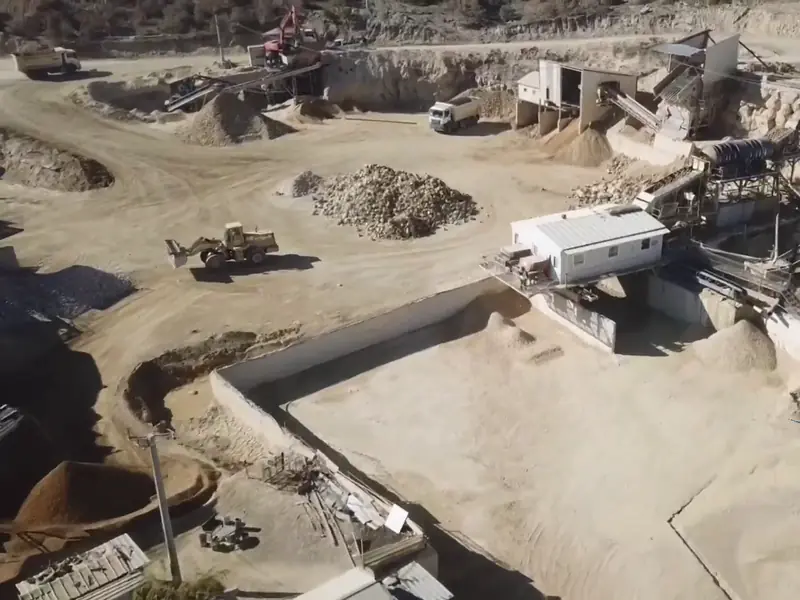
We cover each of these developments in more detail in separate articles on our blog. At our Ballık site we keep producing clean, consistent raw magnesite with this agenda in mind.
Sources: USGS Mineral Commodity Summaries 2026; KPMG Steel Sector Outlook 2026; RHI Magnesita; TOMRA.