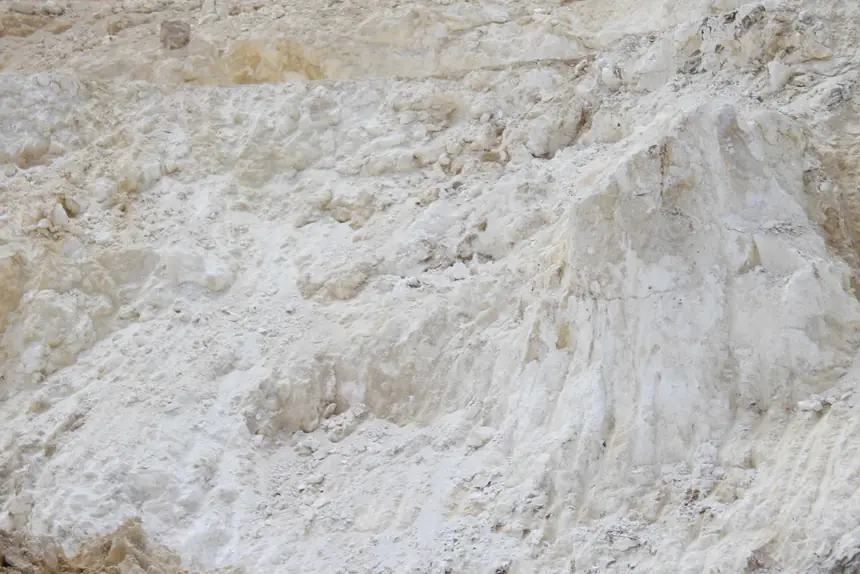

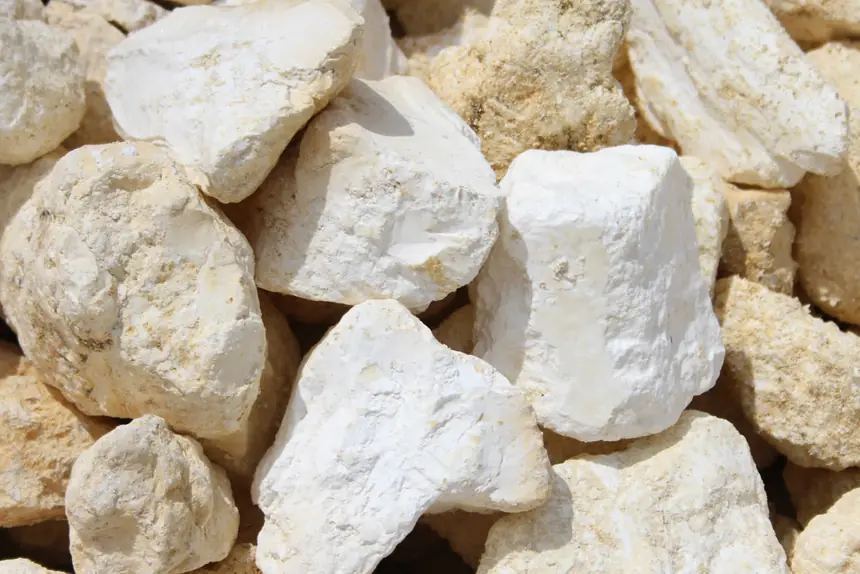
Refractory is the general name for materials that keep their shape, strength and chemistry at high temperature. In steel, cement, glass and non-ferrous metal production, the inside of furnaces, ladles and channels is lined with refractory bricks and mixes. This lining holds the molten metal and slag, and protects the furnace’s steel shell from the heat.
Acidic and basic refractories
Refractories are grouped by chemical character. Silica-based materials are acidic, alumina-based ones are neutral and magnesia (MgO)-based ones are basic. A refractory’s life depends largely on how well it matches the slag it meets: an acidic lining wears quickly against a basic slag.
In modern steelmaking the slags are rich in lime (CaO), in other words basic. That is why basic refractories made from magnesite are used wherever they meet the steel and slag.
What makes magnesia stand out
- A very high melting point: pure MgO melts at about 2,800 °C
- High resistance to basic slags
- It holds its shape under load at high temperature
- It can be made from an abundant natural raw material: magnesite
Where is it used?
Magnesia-carbon (MgO-C) bricks are used in the most heavily worn zones of basic oxygen converters, electric arc furnaces and steel ladles. The graphite improves the brick’s thermal shock resistance and makes it harder for slag to penetrate. Magnesia-spinel bricks line the burning zone of cement rotary kilns, and high-purity magnesia bricks are used in the regenerators of glass melting furnaces.
From raw material to refractory
Refractory producers fire raw magnesite at high temperature to obtain sintered magnesia, from which the bricks and mixes are made. The quality of the sinter in turn depends on the purity of the raw magnesite. Impurities such as silica and iron oxide form phases that melt at lower temperatures and shorten the refractory’s life. That is the purpose of the washing, hand sorting and magnetic separation stages at our Ballık site: to deliver the cleanest possible raw material to refractory makers.