
Magnesite is fired to turn it into magnesium oxide (calcination): MgCO₃ → MgO + CO₂. The carbon dioxide released comes from the mineral itself. Based on molar masses, producing 1 tonne of magnesium oxide releases about 1.09 tonnes of CO₂. This “process emission” does not depend on the fuel; it remains even if the kiln runs entirely on renewable energy.
The share from fuel
The energy needed to heat the kilns is the second source of emissions. Caustic calcined magnesia is made at about 700–1,000 °C, sintered magnesia above 1,600 °C and fused magnesia at about 2,800 °C in an electric arc furnace. RHI Magnesita, one of the industry’s largest producers, reports about 1.4–5.2 tonnes of CO₂ equivalent per tonne of raw material, depending on kiln type and fuel.
Ways to reduce it
- Cleaner raw material: raw magnesite with fewer impurities means less reject and steadier kiln operation.
- Energy efficiency and waste heat recovery
- Low-carbon fuels and electrification
- Using recycled refractories: recovered magnesia has already been fired, so it causes no new process emissions.
- Carbon capture: in indirectly heated kilns, process CO₂ can be kept separate from combustion gases, which makes capture easier. These technologies are still at pilot and early commercial scale.
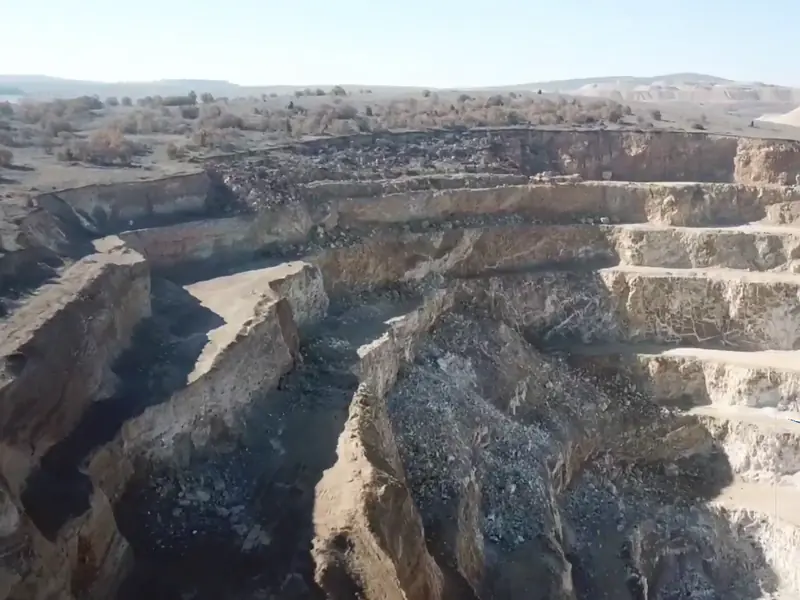
At our Ballık site we put the ore through washing, hand sorting and magnetic separation to deliver the cleanest possible raw material to calcining plants.
Source: RHI Magnesita, “Advancing Sustainable Practices in Refractories for the Cement Industry”.